Loading artist
Loading artworks

Biography
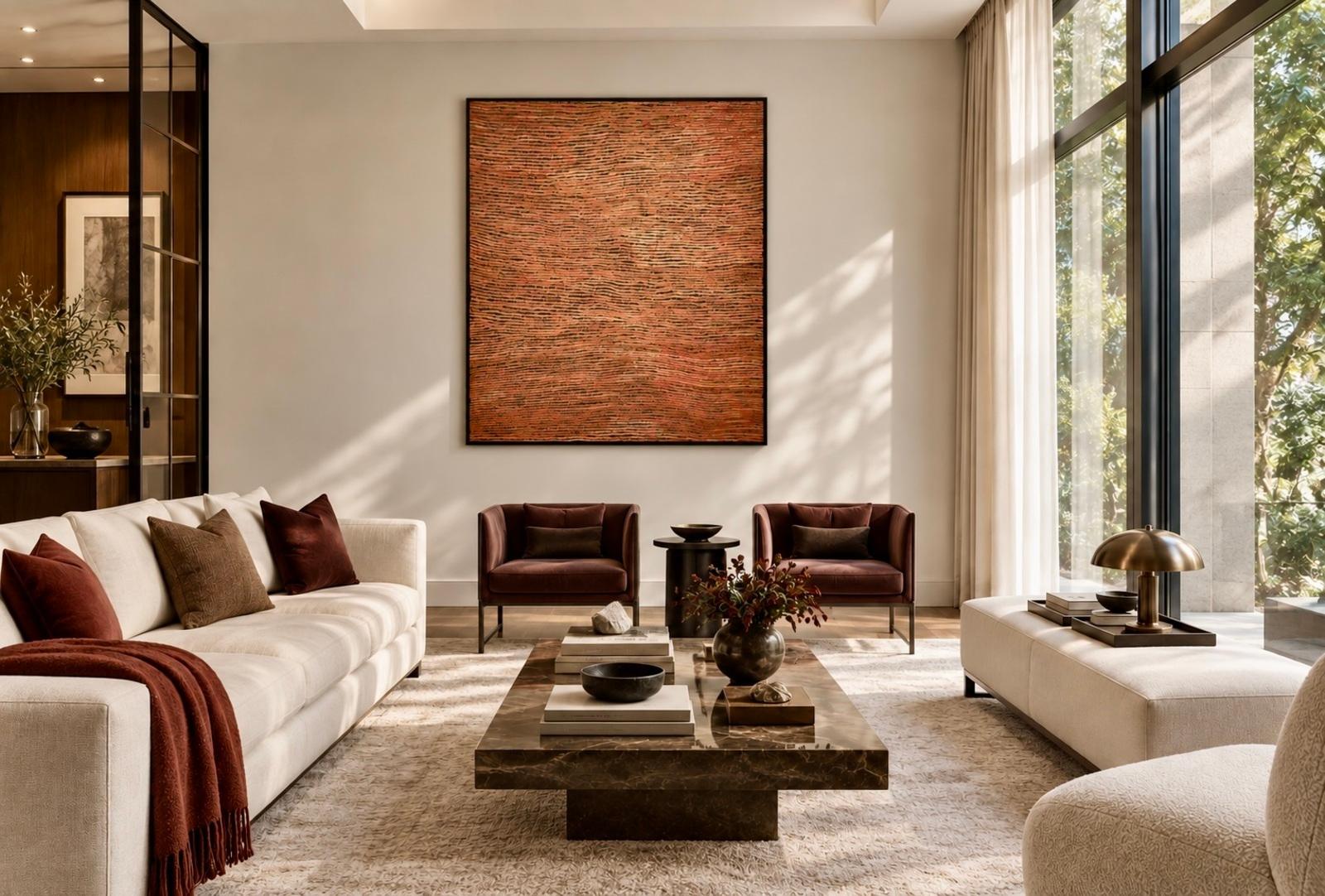
Studio Australis acknowledges that the artist referenced below has passed and respectfully recognises the Aboriginal cultural protocols observed by many communities regarding the naming of deceased persons. To ensure consistency with certificates of authenticity, museum records and published references, Studio Australis continues to use the artist's most widely recognised professional name. Pintupi, c. 1930–2018 Willy Tjungurrayi was a senior Pintupi artist and lawman, born at Patjantja, south-west of Lake Mackay. He began painting for Papunya Tula Artists in 1976 and became one of the major figures of the Western Desert painting movement. His younger brother was George Tjungurrayi, also a significant Papunya Tula artist. Dreaming & Country: Tingari Willy’s work is closely associated with the Tingari Cycle, a major Pintupi body of ancestral law and ceremonial knowledge. The paintings refer to the travels of Tingari ancestors across the Western Desert, linking sites, soakages, sandhills and ceremonial places. Style and Technique Willy’s paintings are built through disciplined line, dotting and repeated structural forms. His work often uses subtle optical movement, with lines and bands creating a strong sense of rhythm across the canvas. The compositions are restrained but dense with cultural and topographical reference. Willy’s Palette His palette is typically grounded in Western Desert colours: ochre, cream, brown, black, white, red and muted earth tones. The restraint of the palette gives emphasis to line, structure and ceremonial mapping. For the Collector Willy Tjungurrayi is regarded as one of Papunya Tula’s senior painters. His work is held in major public collections, including the National Gallery of Australia, National Gallery of Victoria and Art Gallery of New South Wales.
Artworks